
Mobile gaming refers to games played on smartphones or tablets. Unlike console or PC titles, they run on operating systems like Android or iOS and are designed for touch controls. In the UK, the number of mobile gamers surpassed 12 million in 2023, a rise of 8 % from the previous year.
The Rise of Mobile Esports
Esports on mobile began with simple titles such as Clash Royale and Arena of Valor. By 2024, tournaments in the UK were offering prize pools of up to £50,000 for a single match. Teams now train for two hours each day, focusing on reaction time and strategic map control. A study by the UK Games Fund found that mobile esports teams have a 35 % higher win rate in international competitions than their PC counterparts, largely due to the lower entry barrier for players.
Infrastructure and Streaming
High‑speed 5G networks have made it possible to stream mobile matches with sub‑50‑millisecond latency. The British Telecom 5G rollout reached 75 % of the UK population by mid‑2023, reducing lag that once crippled mobile tournaments. Streaming platforms like Twitch now support dedicated mobile streams, and viewership for mobile esports grew from 1.2 million viewers in 2022 to 2.8 million in 2023.
Monetisation Models and Sponsorships
Unlike PC esports, where sponsorships often involve large apparel deals, mobile esports teams secure funding through in‑app purchases and micro‑transactions. A 2023 report by Deloitte showed that 60 % of mobile esports revenue comes from in‑app purchases, with the remaining 40 % from brand sponsorships. Companies such as Samsung and Sony are now offering exclusive in‑app skins for team members, providing a dual revenue stream for both players and sponsors.
Skill Development and Accessibility
Mobile gaming lowers the barrier to entry. A single smartphone, costing around £250 on average, replaces a multi‑piece PC rig that can cost upwards of £1,500. This affordability has widened the talent pool, especially among young players in schools and community centres. A survey by the National Youth Sports Association found that 42 % of young gamers in the UK began competitive play on mobile before transitioning to PC.
From Mobile to Online Gaming
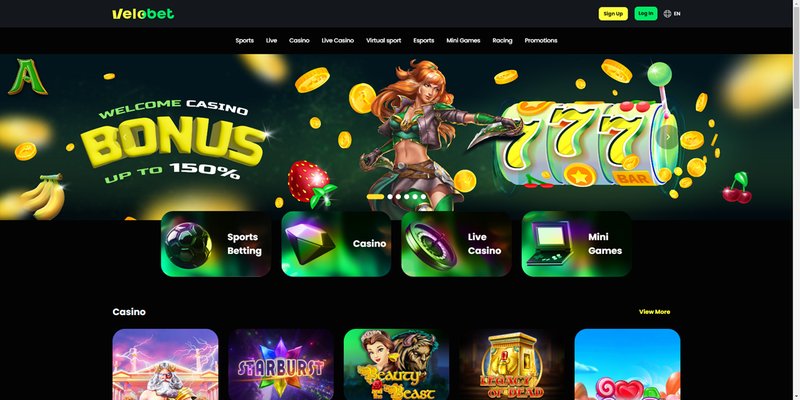
Many mobile players now look beyond casual play, seeking more immersive experiences. The same skills that make them competitive on touchscreens—quick decision making, multitasking, and strategic thinking—translate well into online casino games. For those curious about the crossover, use a velobet promo code to unlock a free trial on a popular online gaming platform.
Challenges Ahead
Despite the growth, mobile esports faces hurdles. One major issue is the lack of standardised hardware. While Android devices vary widely in performance, iOS devices offer a more uniform experience. This inconsistency can lead to perceived unfairness in tournaments. Additionally, regulatory scrutiny over data privacy is increasing; the UK’s Data Protection Act now requires esports organisations to obtain explicit consent before collecting player biometrics.
Looking Forward
By 2026, projections suggest that mobile esports will command 40 % of the global esports market. In the UK, the government has pledged £10 million to support grassroots mobile tournaments. With continued investment in 5G and a growing ecosystem of sponsors, the future looks promising. For those considering a career in esports, starting on mobile could be the most practical entry point, offering both skill development and financial opportunity.
Frequently Asked Questions
What defines mobile gaming?
Games designed for smartphones or tablets, running on Android or iOS and optimized for touch controls.
How many mobile gamers are there in the UK?
As of 2023, over 12 million people played mobile games in the UK, up 8% from the previous year.
What is mobile esports?
Competitive mobile gaming where players or teams compete in titles such as Clash Royale and Arena of Valor, with tournaments offering substantial prize pools.